

browse the playscription cabinet
Play Rx practices
Imagination Break
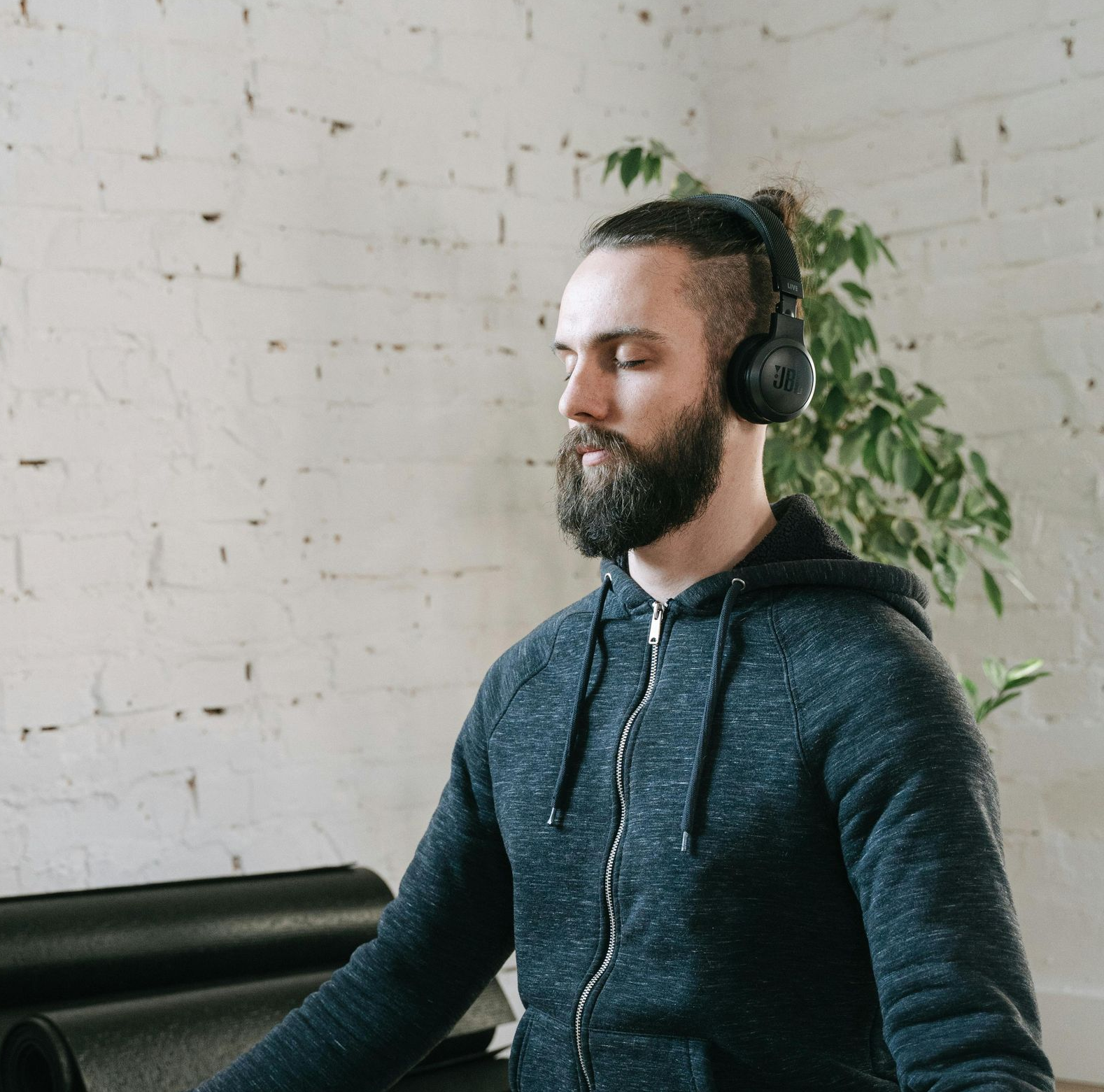
A live 90-minute guided play experience on the first Saturday of every month. I take you through a guided imagination sequence and then into structured creative practice. Come with a journal and some art supplies.
$30.
The Play Rx Circle
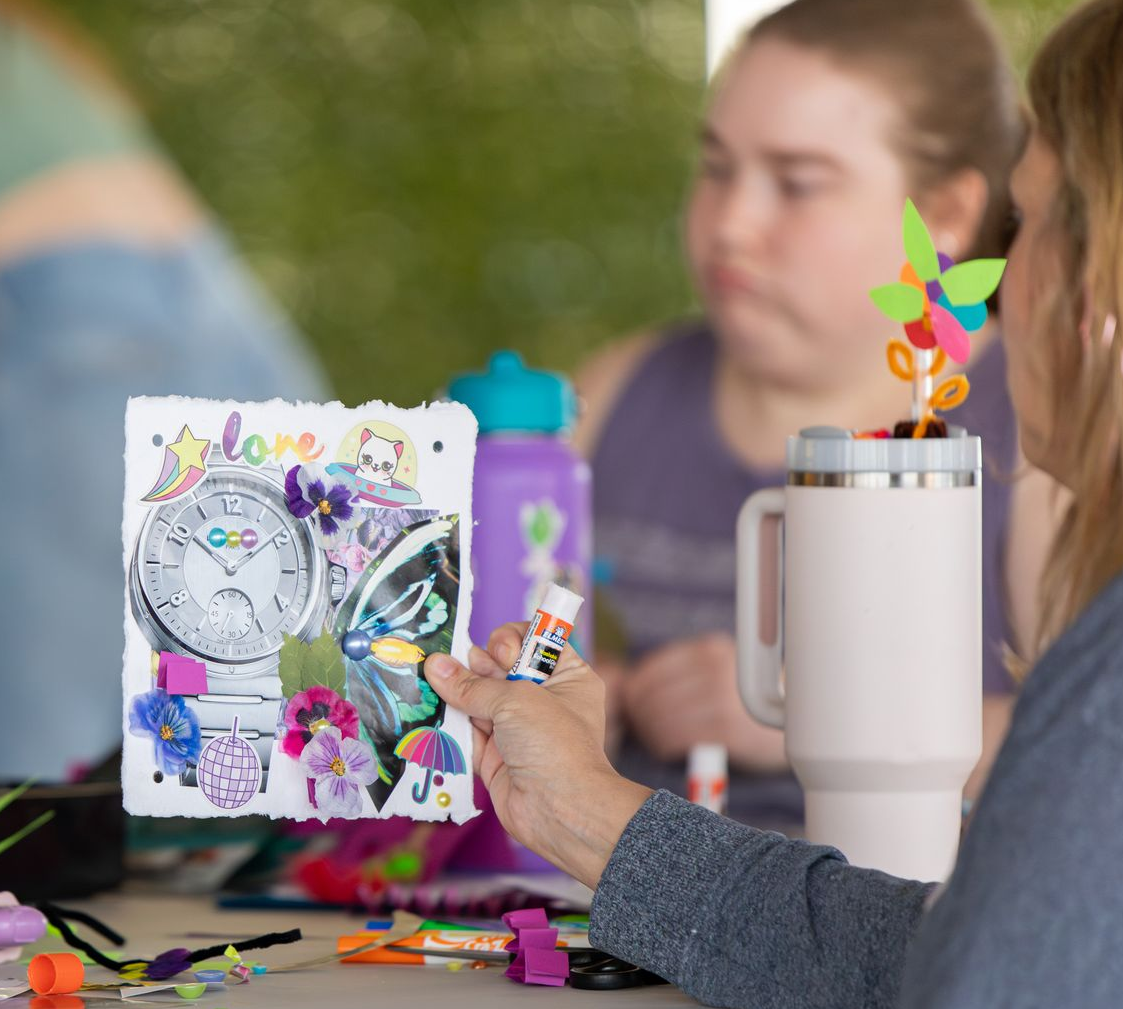
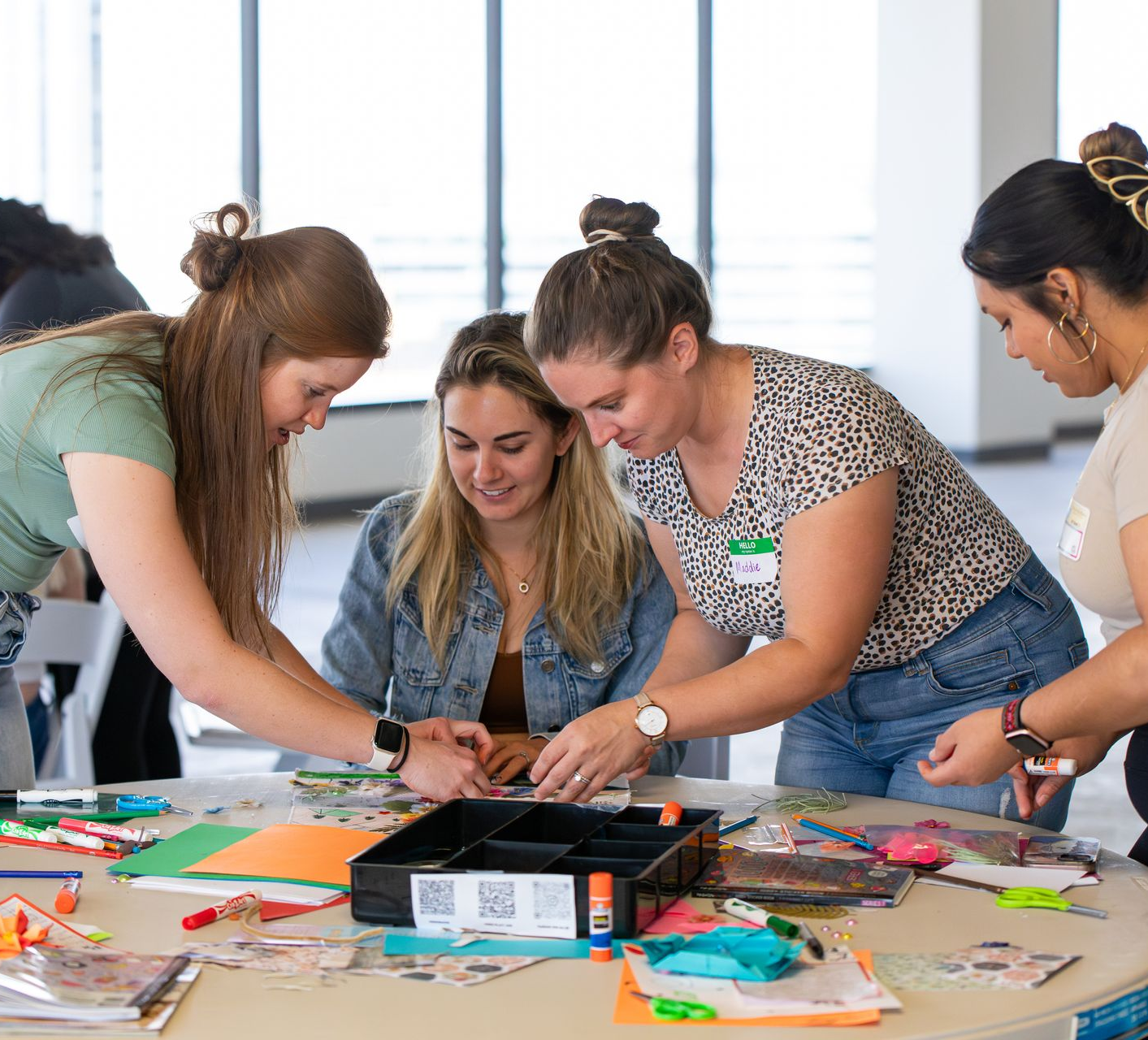
An ongoing community of adults who show up 2x a month to play, create, and practice together. Live sessions every second and fourth Saturday. Free access to Imagination Breaks and discounts on courses. $100/mo. for founding members.
1:1 Play Quest
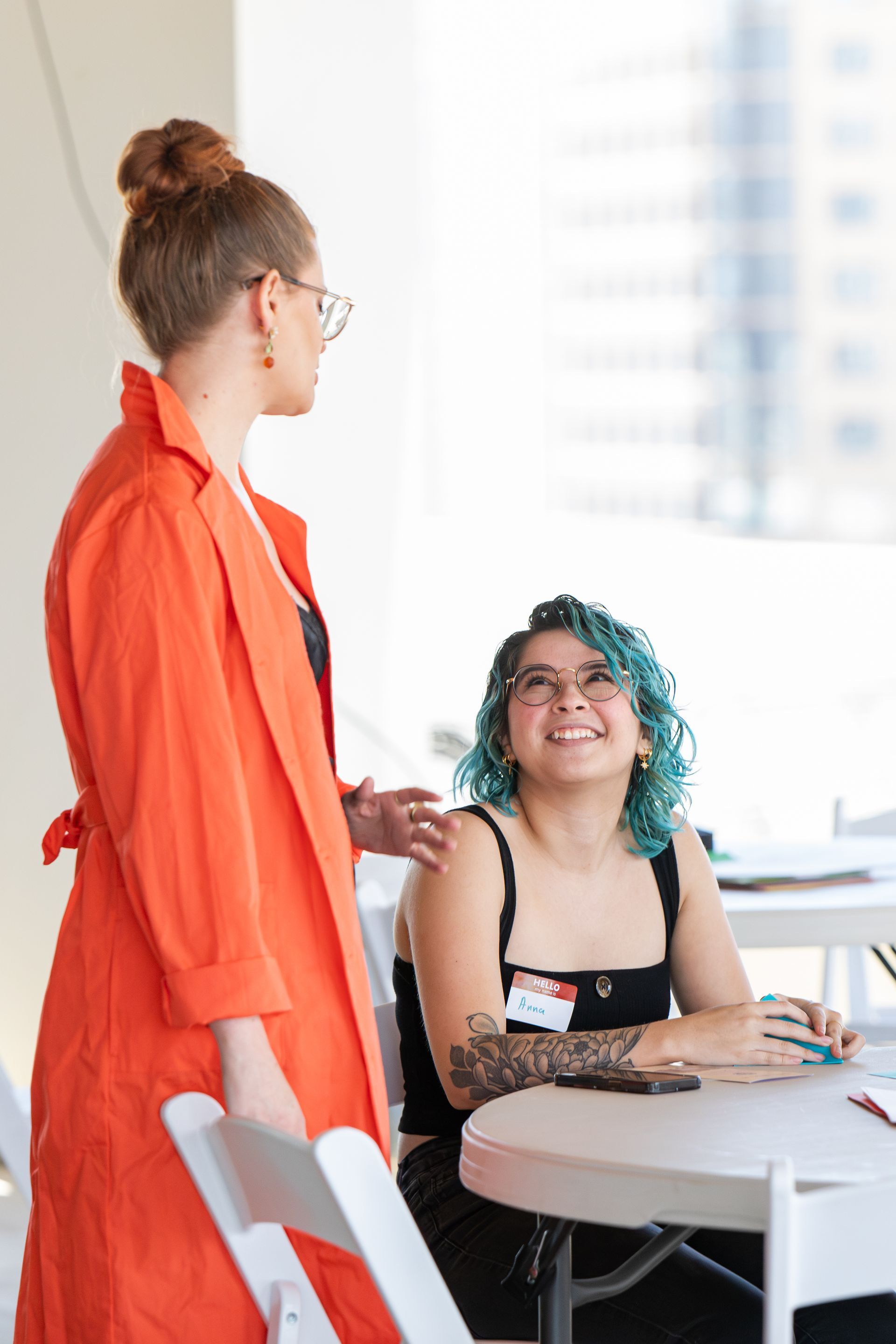
Private sessions built around your specific blocks, your play history, and what you're trying to unlock. For when you're ready to go deep on your own.
THE PROBLEM?


Most practices don't address what to DO.
Therapy helps you understand why you're disconnected from yourself.
Mindfulness helps you observe the disconnection.
Art classes assume you need skills to create.
None of them give you a place to learn about yourself through experimentation and play.
Creative play practices put you into action.
Play practices shake things up by providing a space that allows adults to:
- express themselves freely
- create without the stress of producing
- practice using their imagination
Play Rx is not about entertaining you to make you forget your troubles, it is a prescription for becoming the free and fiery person you've always wanted to be.
What is a creative play practice?
We are intentional & multimodal.
Creative prompts called Playscriptions might include:
- Sculpting with toothpaste
- Writing a bad poem
- Scribbling to music
- Writing meaningful fairytales
- Making your dream room out of cardboard
- Playing Authentic Relating games
FAR from party games or cringey corporate "ice breakers", Playscriptions are designed to get your inner critic out of the driver's seat so the deep well of honesty and creativity can flow through you freely.
WHO IS RENEE?
Over the twelve years I taught visual arts, theater, and poetry, I watched something devastating change in my students every single year. They had more anxiety, more rigidity, and less willingness to experiment and have fun. Well-meaning parents were either allowing WAY too much technology at home or were overscheduling too many activities for their children - and all of it was leading to play deprivation across the generation.
Meanwhile the same exact thing was happening to myself and adults around me for the same reasons.
Years of psychoanalysis and personal creative practices taught me that the parts of me I'd lost access to — the impulsive, creative, genuinely alive parts — had been sitting underneath a mountain of perfectionism, overstimulation from consuming too much media, and burn out from an overly packed schedule.
So I became dedicated - no, obsessed with- becoming a teacher that used curiosity, play, and wonder to lead people naturally into a creative flow state within themselves to escape the matrix of our culture.
My work is heavily influenced by existential and depth psychology, drama/play therapy, IFS, Authentic Relating, and wisdom practices. I do not claim or advertise to be therapy, but desire to recognize the influence and philosophy of the work.
Your first playscription is free.
SIGN UP TO DOWNLOAD THE FREE PLAY RX JAR
75+ play prompts to take back your leisure time from the overconsumption of meaningless entertainment. Think of it like a big Playscription bottle for your house.
Plus invitations to upcoming events, free play breaks, and whatever else I'm cooking up.

you decide your dose.
pick your playscription
Imagination Break
A live 90-minute guided play experience on the first Saturday of every month. I take you through a guided imagination sequence and then into structured creative practice. Come with a journal and some art supplies.
$30.
The Play Rx Circle
An ongoing community of adults who show up 2x a month to play, create, and practice together. Live sessions every second and fourth Saturday. Free access to Imagination Breaks and discounts on courses. $100/mo. for founding members.
1:1 Play Quest
Private sessions built around your specific blocks, your play history, and what you're trying to unlock. For when you're ready to go deep on your own.
not ready to commit?